
If you are asking what are Glock slides made of, you are probably trying to answer a bigger question: how much abuse can a slide take, and what changes when you move from OEM to aftermarket. That matters whether you are building a carry gun, upgrading to an optics-ready setup, or replacing a worn slide with something built for harder use.
The short answer is steel. Glock slides are made from steel, then treated and finished for strength, wear resistance, and corrosion protection. The longer answer is where things get more interesting, because not all steel slides are made, machined, hardened, or coated the same way.
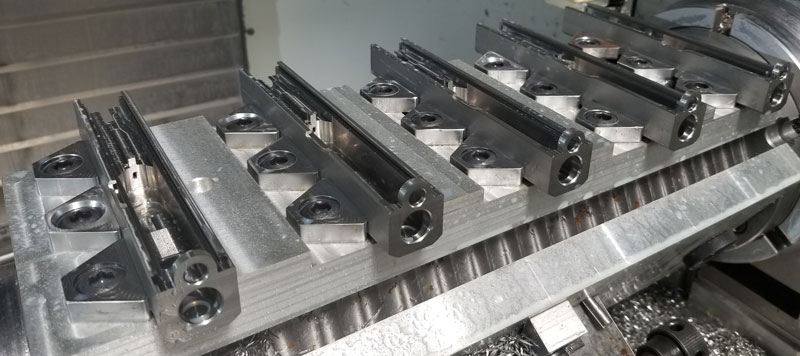
What are Glock slides made of in plain terms?
Factory Glock slides are steel slides manufactured to handle repeated recoil cycles, striker-fired operation, holster wear, and rough environmental exposure. Glock has long been associated with high-strength steel construction combined with surface treatment technology that improves hardness and corrosion resistance.
That combination is a big reason the platform built its reputation for reliability. A slide is not just a shell riding on top of the frame. It contains critical geometry for the breech face, striker channel, extractor fitment, optic cuts on some models, and the rail engagement surfaces that affect cycling. If the material choice is wrong, the gun can wear faster, lose tolerance control, or fail under hard use.
For most shooters, the key point is this: a Glock slide starts with steel because steel gives the right balance of strength, machinability, and long-term durability. Aluminum would save weight, but it is generally not the right answer for the abuse a Glock slide takes in a centerfire pistol. Polymer works for the frame because the frame does a different job. The slide needs more mass and more resistance to direct impact, locking stress, and repeated movement against internal parts.
Why steel is the standard for Glock slides
A pistol slide has to do several jobs at once. It has to hold the barrel in battery, contain pressure until the cycle unlocks, strip rounds from the magazine, house the striker assembly, and survive thousands of rapid reciprocating movements without opening up tolerances.
Steel is the standard because it gives slide makers room to balance strength with precision machining. It can be cut to tight tolerances, heat treated for hardness, and finished in ways that stand up to sweat, rain, solvents, and daily carry. On a practical level, steel also gives the slide enough mass to support reliable cycling with the recoil spring system and the ammo the pistol is designed around.
That last point is where trade-offs come in. Heavier and lighter slides can both work, but they change the recoil impulse and can affect reliability depending on spring weight, barrel setup, ammo, and whether the slide has ports, windows, or an optic mounted. Material is the foundation, but the final performance depends on the complete system.
The steel itself: factory vs aftermarket
When shooters talk about slide material, they often lump every steel slide into one category. That is too simple. Yes, OEM and aftermarket Glock slides are steel, but the exact alloy and manufacturing process can vary by maker.
Many quality aftermarket Glock slides are machined from billet stainless steel, often 17-4 stainless or 416 stainless. Both are common in firearm components, but they are not identical. 17-4 stainless is widely respected for its combination of strength and corrosion resistance after proper heat treatment. 416 stainless is also common because it machines cleanly and can produce very precise finished parts, though final performance still depends heavily on heat treatment and quality control.
Factory Glock slides are not usually marketed in the same consumer-facing way as billet aftermarket slides, but the principle is similar. The manufacturer starts with a steel suited for the application, machines the part to spec, and applies a hardening and finishing process that supports real-world duty.
So if you are comparing OEM to aftermarket, the better question is not just what are Glock slides made of, but how was that steel processed? A premium slide with precise CNC machining, proper hardness, and a proven finish is in a different class than a cheap slide that only looks good in photos.
Heat treatment matters as much as the metal
A raw steel slide is only part of the equation. Heat treatment changes hardness, wear resistance, and the slide’s ability to hold its dimensions over time. This is one reason reputable Glock slide sellers and machine shops focus so heavily on process control.
A slide that is too soft can peen, wear, or deform at contact points. A slide that is too hard in the wrong way can become brittle. Serious manufacturers aim for the middle ground where the slide can resist wear and impact without sacrificing durability.
For the buyer, this means you should never judge a slide by material alone. “Stainless steel” sounds premium, but it does not guarantee performance by itself. Heat treatment, machining tolerances, and final inspection are what separate a dependable slide from one that creates fitment headaches.
Surface finish and coatings on Glock slides
When people ask what Glock slides are made of, they are often also reacting to the finish they see. Glock factory slides are known for their durable protective finish, and aftermarket slides commonly use coatings like Cerakote, nitride, or other protective treatments.
These finishes do two jobs. First, they help protect the steel from corrosion and surface wear. Second, they affect appearance, which matters for many custom builds. A black nitride finish, for example, is popular because it gives a hard, clean look while also adding real functional protection. Cerakote opens the door to more color and style options, though some shooters still prefer nitride for pure wear resistance.
There is an it-depends factor here. For a hard-use carry gun, corrosion resistance and holster wear usually matter more than flashy looks. For a range build or competition setup, aesthetics might play a bigger role alongside weight reduction cuts and optic compatibility. Neither approach is wrong, but the slide should match the job.
How aftermarket slide cuts affect strength
A lot of Glock owners upgrade to custom slides with optic cuts, front and rear serrations, window cuts, or porting. That naturally raises a question: if the slide is steel, does removing material weaken it?
Potentially, yes, if the cuts are poorly designed. But well-executed slide machining is about strategic material removal, not random cosmetic carving. The best in the game understand where the slide can be lightened for faster cycling or visual appeal without compromising critical structural areas.
That is why CNC precision matters. An optics-ready cut has to maintain correct depth, mounting geometry, and surrounding strength. Window cuts have to be placed with enough thought that the slide still runs reliably with the barrel, recoil system, and ammo you plan to use. The more aggressive the cut pattern, the more important the machining quality becomes.
This is also why some shooters stick with a simpler slide profile for duty or concealed carry guns. More cuts can reduce weight and add style, but they also introduce more variables. A clean, well-made optics-ready slide often gives the best balance for serious use.
OEM slides vs custom Glock slides
OEM Glock slides are trusted for one reason above all: they are built around factory reliability. If your goal is stock function with known compatibility, OEM is the safe lane.
Custom and aftermarket slides offer more flexibility. You can get an MOS-style optics-ready setup, deeper serrations, model-specific styling, ported configurations, and finishes that fit the rest of your build. For many shooters, that is worth it, especially if the slide is made from quality steel and machined by a specialist who understands Glock platform tolerances.
This is where a dedicated retailer like USGlockSlide.com has a clear advantage over a generic parts seller. When you are buying a Glock 19 slide, Glock 43X MOS slide, or a long-slide 10mm configuration, you want more than a material claim. You want fitment confidence, clean machining, and a slide built to perform under pressure.
What buyers should really look for
If you are shopping based on material alone, you are only seeing one part of the picture. Yes, steel is the answer to what are Glock slides made of, but your buying decision should also come down to machining quality, heat treatment, finish, compatibility, and intended use.
For a carry gun, prioritize reliability, corrosion resistance, and proven optic cut specs if you are running a dot. For a range or competition build, slide weight, porting, and recoil tuning may matter more. For a custom aesthetic build, finish and serration design rise in importance, but the slide still has to maintain proper geometry and function.
A serious Glock slide is not just a chunk of metal. It is a precision component that directly affects cycling, durability, and confidence when the gun is in your hands. Start with steel, but do not stop there.
The right slide material gives you the baseline. The right manufacturer gives you the performance. That is the difference between a part that looks good in the case and one that earns its place on the gun.
What Are Glock Slides Made Of?
Understanding Glock Slide Materials
When asking What Are Glock Slides Made Of?, the answer is both simple and important for understanding durability and performance.
What are Glock slides made of in plain terms?
In plain terms, Glock slides are made from high-quality steel. More specifically, they are crafted from a hardened steel alloy that is designed to handle pressure, heat, and repeated firing without deforming.
Why Glock Uses Steel for Slides
Strength and Durability
Steel is chosen because it:
- Withstands high-pressure firing cycles
- Resists wear over time
- Maintains structural integrity
Corrosion Resistance
Glock applies a special finish (often called a nitriding treatment) to the steel, which:
- Protects against rust
- Increases surface hardness
- Extends lifespan
So, What are Glock slides made of in plain terms? They are made of tough, treated steel designed for reliability and longevity. This material choice is one of the key reasons Glock pistols are known for their durability and consistent performance.
