
If you are shopping for a complete Glock slide assembly, you are usually trying to solve one of three problems fast – finish a build, upgrade performance, or replace a worn or damaged top end without chasing small parts one by one. That is exactly why complete assemblies matter. They cut out guesswork, reduce downtime, and give you a faster path to a pistol that is ready for serious use.
For Glock owners, the slide is not just a cosmetic upgrade. It is where reliability, sighting system, recoil behavior, and overall shooting feel come together. A quality complete assembly can change how the gun tracks, how quickly you acquire the dot, and how confident you feel carrying or running it hard on the range. But not every assembly is built the same, and not every buyer needs the same setup.
What a complete Glock slide assembly actually includes
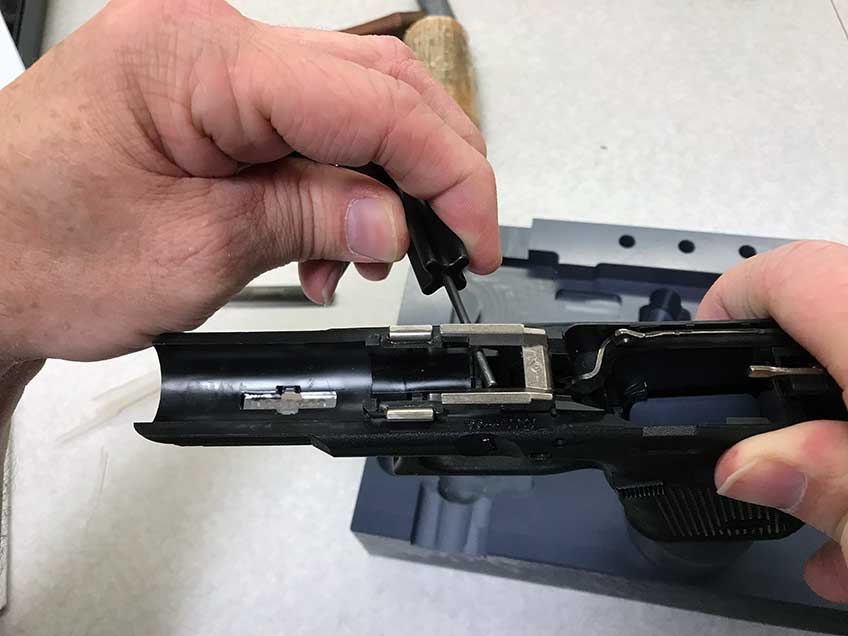
At the basic level, a complete Glock slide assembly is the slide body plus the internal parts required to run the top end. That usually means the striker assembly, extractor, safety plunger, channel liner, back plate, sights or optic-ready cut depending on the model, and the barrel and recoil spring assembly if it is sold as a fully complete upper.
This is where buyers need to slow down for a minute. Some sellers use the word complete to mean the slide has internals installed but does not include a barrel or recoil spring. Others mean truly drop-on ready. If you are trying to avoid compatibility issues, make sure you know whether you are buying a stripped slide, an assembled slide with internals, or a fully complete upper with barrel and recoil system included.
That distinction matters most for first-time builders, but even experienced Glock owners should pay attention. A lower price can look good until you realize you still need multiple components before the pistol is range-ready.
Why shooters buy a complete Glock slide assembly
The biggest advantage is efficiency. Buying a complete upper saves time and eliminates the need to source every spring, plunger, and pin separately. It also lowers the chance of mixing incompatible or lower-grade components into a build that needs to run cleanly under pressure.
There is also a performance angle. Many shooters move to a complete slide assembly because they want optics-ready capability, improved serrations, better machining, or a slide profile that supports lighter handling and faster cycling feel. If you run a red dot, front and rear serrations, window cuts, and proper sight height are not cosmetic details. They directly affect how the gun works for concealed carry, duty-style use, or competition.
A complete assembly also makes sense when you want to keep your original factory slide untouched. That is common among shooters who want one configuration for carry and another for training or range use. Swapping top ends can be cleaner than permanently changing the original setup.
Complete Glock slide assembly fitment is where mistakes happen
Fitment is the part that separates a smooth purchase from an expensive headache. Glock platform buyers already know that model, generation, and optic cut standards matter. A Glock 19 slide is not a universal answer, and even within the same model family, generation differences can affect compatibility.
The first question is always the host frame. Are you pairing the assembly with an OEM Glock frame or a Glock-compatible frame from another manufacturer? After that, confirm the exact model and generation. A Gen 3 pattern slide may be ideal for some custom builds because of aftermarket support, while Gen 4 and Gen 5 setups can introduce different recoil system or internal considerations.
You also need to think about caliber and length. A Glock 17 slide, Glock 19 slide, Glock 19X setup, Glock 43X MOS slide, or long 10mm configuration each serves a different role. Compact slides make sense for concealed carry. Full-size or extended configurations can offer better sight radius, increased velocity, and a flatter shooting feel, but they are not always the best answer for every user.
Optics-ready features are now a real buying factor
A modern complete Glock slide assembly is often judged first by its optic compatibility. That is not hype. Red dots have moved from niche upgrade to practical standard for many concealed-carry users, range shooters, and tactical buyers.
The key is not just having a cut. It is having the right cut, machined to proper depth and spec, with enough material integrity to hold zero and enough compatibility to support the optic footprint you actually want to run. Some buyers want an MOS-style route. Others prefer a direct-milled pattern because it can offer a lower mount and a more secure fit.
This is one of those it depends decisions. If you want flexibility to try different optics over time, a modular route may make sense. If you already know your optic choice and want the cleanest possible setup, a dedicated cut is often the stronger play. Either way, the slide has to be machined correctly. Precision here is not optional.
Materials, machining, and finish matter more than marketing
Slide quality starts with machining tolerance and material quality, not just aggressive styling. A slide can look sharp in product photos and still fall short where it counts. Serious buyers should focus on how the slide is machined, how the internals are fitted, and whether the finish is built to hold up against real use.
CNC precision matters because the slide has to work with the barrel lockup, extractor movement, striker channel geometry, and frame rails. If those relationships are off, reliability suffers. The best in the game are built with repeatable tolerances, clean internal machining, and no shortcuts in the areas you do not see in a glamour shot.
Finish matters too. A quality coating helps resist wear, corrosion, and surface damage from holster use, weather exposure, and hard range cycles. For a carry gun, that is practical value. For a range or competition setup, it still matters because your slide should keep performing after thousands of rounds, not just look good on day one.
Choosing the right setup for your use case
The right complete Glock slide assembly depends on what the pistol is supposed to do. For concealed carry, most shooters want a configuration that stays reliable, keeps weight reasonable, and supports fast sight pickup without adding unnecessary bulk. A compact optics-ready slide with solid internals and clean serrations is usually the smart route.
For competition or range-heavy use, buyers may want more aggressive slide cuts, porting compatibility, or a longer setup that changes recoil feel and sight behavior. That can improve speed and tracking, but there is always a trade-off. Lighter slide mass can change cycling characteristics, and highly specialized cuts may not be ideal if your top priority is defensive reliability across a wide range of ammo.
Duty-style or hard-use buyers usually lean toward durability first. They want a complete assembly built to perform under pressure, with proven internal components, dependable extraction, and optic mounting that can take real recoil cycles without drama. Fancy styling comes second.
What to check before you buy
Before buying, confirm exactly what is included. Do not assume complete means the same thing across every listing. Check whether the barrel, recoil spring assembly, sights, and optic cover plate are part of the package.
Then verify frame and generation compatibility. If you are using an aftermarket frame, be even more careful. Glock-compatible does not always mean universal. Small fitment differences can create big problems once you start chasing reliability issues.
It also pays to think about ammo and intended use. A setup that runs flawlessly with standard-pressure range ammo may behave differently with defensive loads or hotter calibers. If your pistol is built for carry, reliability should outrank cosmetic features every time.
This is where a specialized source makes a difference. A retailer focused on Glock slides and real platform compatibility is far more useful than a general sporting goods seller reading from a parts sheet. Buyers come to USGlockSlide.com for that reason – serious product knowledge, strong inventory, and performance-minded options that match the way Glock owners actually build and shoot.
Installation and expectations after purchase
Even a high-quality complete assembly is not magic. You still need to inspect fitment, function-check the pistol, and test-fire with the ammo you plan to use. That is standard discipline, not a sign something is wrong.
A short break-in period is normal with some combinations of aftermarket slides, barrels, and frame components. The goal is consistent cycling, reliable extraction and ejection, and stable optic performance if you are running a dot. If something feels off, stop and diagnose it early instead of forcing rounds through a bad setup.
The upside is simple. Once you choose the right assembly, the gun gets easier to trust. You spend less time piecing together parts and more time shooting a setup that matches your needs. That is the real value of buying a complete upper done right.
A complete Glock slide assembly should do more than finish the look of your pistol. It should give you a top end that fits correctly, runs hard, and earns its place every time you press out on target.
